
Ledger.com/Start® | Getting started®™ — Ledger Support
Ledger.com/start offers wallet setup guidance with practical information for managing supported crypto, checking balances, transferring assets, and securing accounts.
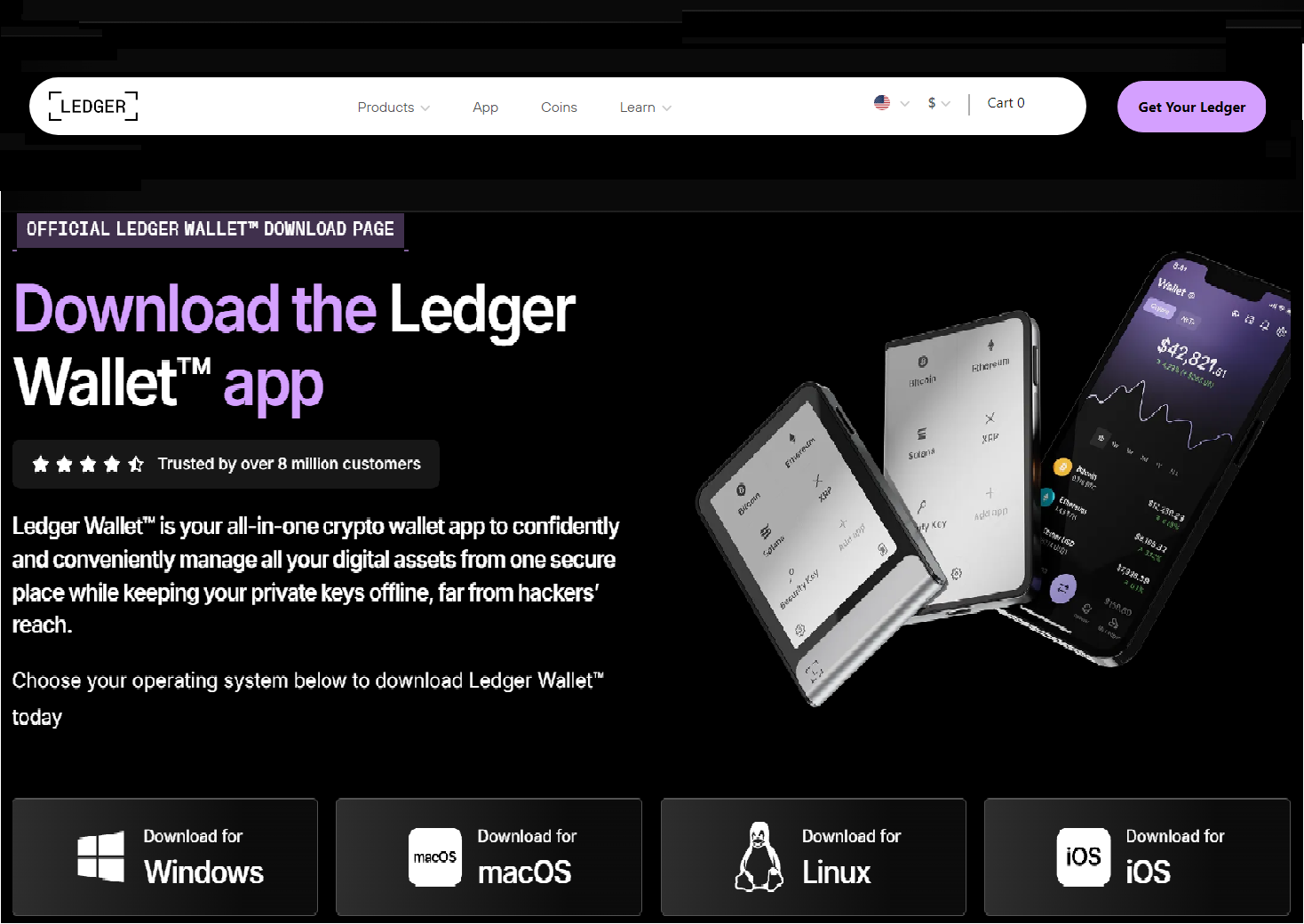
Ledger.com/start: Create a Strong Foundation for Your Wallet
A new hardware wallet is easier to use when the setup process is approached with patience and attention to detail. From verifying setup resources to protecting recovery information and checking transactions, each stage contributes to a more organized crypto experience. Ledger.com/start can be a useful entry point for users learning how to establish their wallet and prepare for everyday use.
Begin With Trusted Setup Information
Before connecting your device, make sure your instructions come from a source you trust. Search results and online advertisements can lead to pages that are unrelated to the official wallet provider.
Check the website address before downloading software or entering any wallet-related information. If a link was sent to you unexpectedly, verify it independently instead of opening it automatically.
Prepare a Suitable Workspace
Choose a private and distraction-free environment for setup. Use a computer or mobile device that you control and understand.
Having a reliable setup environment makes it easier to concentrate on important prompts and reduces the chance of sharing sensitive information accidentally.
Follow the Configuration Process Carefully
Read the instructions shown by the wallet software and hardware device. When an action requires confirmation, make sure the details are clear before approving it.
Do not skip unfamiliar steps just to finish faster. If something seems unusual, stop and research the instruction through a trusted source.
Give Recovery Information Maximum Privacy
Recovery information should be handled as confidential wallet information.
Never send it through email, messaging applications, social media, or support chats. Do not enter it into a website simply because a message claims that verification is required.
Protect it from unauthorized access and avoid creating unnecessary digital copies.
Understand Your Wallet Layout
Once setup is complete, spend time exploring the wallet environment. Learn where accounts, balances, supported assets, and transaction records appear.
If you manage multiple cryptocurrencies, identify the exact asset and network involved before starting a transfer.
Familiarity with the interface can make future transactions easier to review.
Check Details Before Receiving
Receiving crypto requires careful attention to the account and address being used.
Confirm that the receiving address belongs to the intended account and check the network associated with the transaction. If a sender gives you unexpected instructions, clarify them before continuing.
Verify Every Outgoing Transfer
Before sending funds, review the transaction details carefully. Check the destination address, asset, network, amount, and other information available for confirmation.
Do not approve a transaction when something does not match your intention.
Blockchain transactions may be difficult or impossible to reverse, so a careful final review is an important habit.
Avoid Unverified Wallet Assistance
Scammers may impersonate support representatives or create fake websites that look legitimate. They can use urgent language to encourage users to act without thinking.
Never disclose confidential recovery information to someone who contacts you unexpectedly. Verify support information independently through a trusted source.
Keep the Foundation Strong
Once the wallet is configured, continue using the same principles. Keep the hardware device secure, use trusted software sources, and verify transactions before approval.
Good wallet management is an ongoing process rather than a single setup event.
FAQs
What should I check before opening a wallet setup page?
Verify the source and carefully inspect the website address before continuing.
How can I make the setup process less confusing?
Work through each instruction slowly and learn what each confirmation means instead of skipping unfamiliar prompts.
Should recovery information be saved in a cloud account?
Avoid exposing sensitive recovery information to online storage or unauthorized access.
What should I verify when preparing to receive crypto?
Check the intended account, receiving address, asset, and applicable network.
What if a transfer contains unexpected information?
Pause before approving it and investigate the discrepancy through a trusted source.
Updated about 8 hours ago