
Ledger.com/Start® | Getting started®™ — Ledger Support
Get your Ledger device ready at Ledger.com/start with setup instructions and practical information for managing accounts, balances, holdings, and transactions.
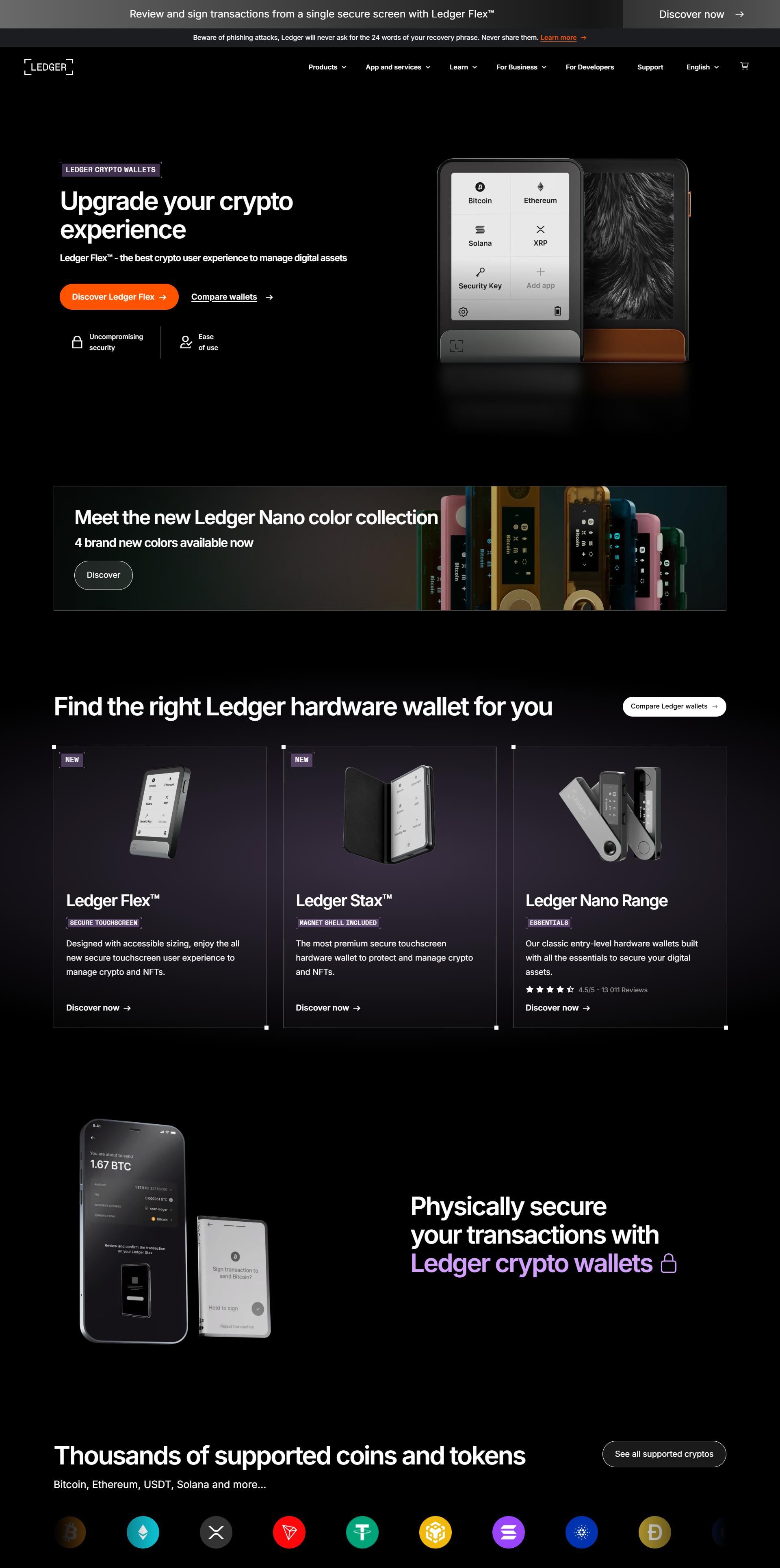
Ledger.com/start: Explore a Smarter Wallet Setup
Getting familiar with a hardware wallet does not have to be complicated. A well-organized setup can help users understand their device, protect important wallet information, and approach crypto transactions with greater care. Ledger.com/start can be a useful starting point for learning the fundamentals before moving into regular wallet management.
Start With a Clear Plan
Before connecting your hardware wallet, decide what you need to accomplish. You may want to configure the device, understand the available wallet software, review account options, or prepare for your first transaction.
Having a clear objective makes it easier to move through the setup process without skipping important details.
Verify the Source First
Security begins before the device is connected. Make sure the instructions and software you use come from a trusted Ledger source.
Be cautious with search advertisements, unsolicited emails, social media messages, and websites that imitate familiar wallet branding. Check the website address carefully instead of assuming that a page is genuine because it looks professional.
Take Your Time With Configuration
During setup, follow the instructions displayed by the trusted wallet software and your hardware device. Read prompts carefully and make sure you understand what you are confirming.
If an instruction is unclear, pause and investigate before proceeding.
Avoid allowing another person to control your setup remotely unless you have independently verified that the assistance is legitimate and appropriate.
Protect Your Recovery Information
Recovery information should be treated as private from the moment it is created or displayed.
Do not share it with friends, online contacts, support accounts, or anyone claiming that it is necessary to activate or restore your wallet. Avoid storing sensitive recovery information in screenshots, email accounts, or ordinary cloud documents.
The safest approach is to keep it protected from unauthorized access.
Understand Your Accounts
After configuration, explore how your accounts and assets are organized. Learn where balances, transaction records, receiving options, and sending functions are displayed.
If you manage several assets, pay attention to their names and networks. Similar-looking transaction details can cause confusion when users move too quickly.
Make Receiving More Deliberate
Receiving crypto involves checking more than the wallet address. Confirm that the address belongs to the intended account and that the network matches the transaction.
For significant transfers, carefully compare the information before providing it to the sender.
A few seconds of verification can help avoid preventable mistakes.
Review Transfers Before Approval
When sending crypto, pause before the final confirmation. Review the destination, asset, amount, network, and other information presented by the wallet.
If something does not match your original intention, do not approve the transaction until you understand the difference.
Blockchain transactions can be difficult or impossible to reverse, so careful verification matters.
Avoid Fake Assistance
Fraudulent support messages may claim that a wallet needs verification, an account has been compromised, or funds require immediate action.
Treat unexpected requests with caution. Do not click suspicious links or disclose confidential information simply because a message appears urgent.
Instead, independently access trusted support resources.
Turn Good Practices Into Habits
A secure wallet routine becomes easier when the same checks are repeated consistently. Verify the source, protect recovery information, check the account and network, and review every transaction before approval.
These simple habits can support safer day-to-day crypto management.
FAQs
What should I verify before beginning wallet setup?
Check that you are using trusted setup information and appropriate wallet software before connecting your device.
Why should I avoid rushing through setup prompts?
Careful reading helps you understand what you are confirming and reduces the chance of overlooking an important instruction.
What information should remain confidential?
Recovery information and other sensitive wallet credentials should remain private and protected.
How can I reduce mistakes when receiving crypto?
Confirm the receiving account, address, asset, and relevant network before sharing transaction details.
What should I do if a transaction looks different from expected?
Stop and investigate the discrepancy rather than approving the transaction automatically.
Updated about 8 hours ago